


If you have varicose veins, you must strictly follow all doctor's prescriptions and know what not to do with this disease.If you do not follow a number of restrictions and eliminate the influence of negative external factors, the manifestations of varicose veins will only progress.
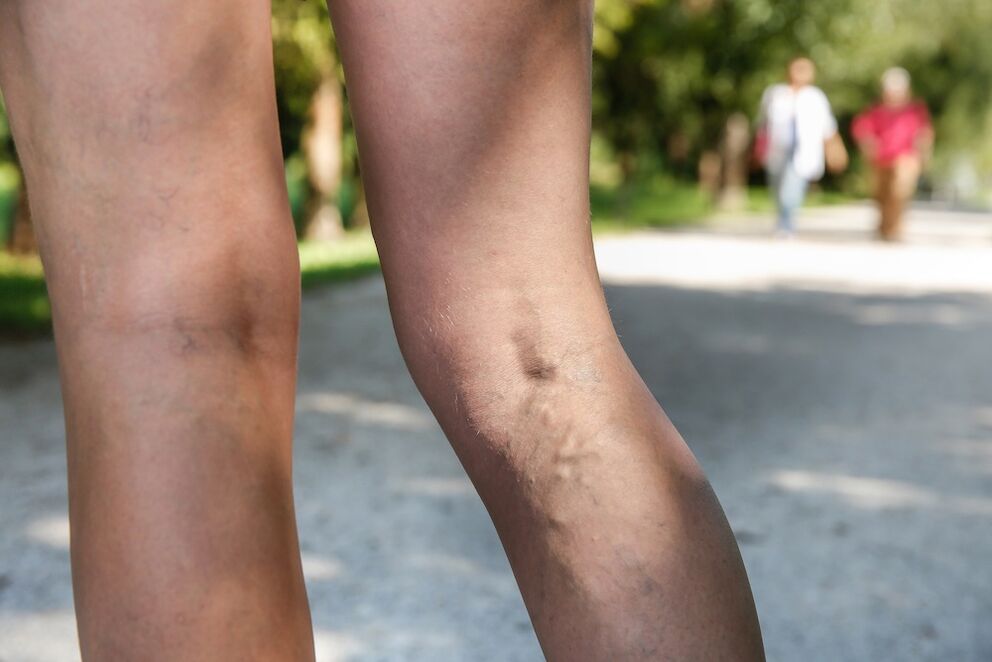
Varicose veins are not only an aesthetic defect that many try to hide under clothing, but also a serious pathology.This is why doctors call this condition varicose veins.Changes in the veins of the legs, and sometimes other areas (lower abdomen, chest) require constant medical monitoring.
The patient must strictly follow all the phlebologist's prescriptions and know what not to do in case of varicose veins of the legs.If you do not comply with a number of restrictions and eliminate the influence of negative external factors, the manifestations of the disease (deformation of the vein walls, stagnation of blood, expansion of the lumen of the veins) will only progress.
If the patient does not take into account possible contraindications for varicose veins of the legs, the effectiveness of the prescribed drug treatment will decrease and the risk of complications will increase.The key question that a patient should ask a doctor after making a diagnosis is: what is prohibited for varicose veins of the lower extremities, what foods, manipulations or loads are prohibited and why?The specialist will explain in detail what restrictions you must follow, recommend useful articles and resources where you can get reliable information.
What foods should you not eat if you have varicose veins?
When discussing nutrition, the doctor will specifically focus on foods prohibited for varicose veins of the legs.It is enough to limit the consumption of certain foods, and it is better to completely avoid certain dishes and drinks, so as not to worsen the condition of the veins.
- Flours and sweet products.Small amounts are okay, but you should limit the consumption of foods high in light carbohydrates.Excess calories combined with excessive consumption of baked goods and sweets threatens overweight and obesity, which increases the load on the legs and impairs blood circulation.
- Dishes containing animal fats and trans fats.It is worth limiting fried foods and dishes with butter.And trans fats are food items that are on the list of what you shouldn't eat if you have varicose veins.Excess fat threatens pathological weight gain and changes in the tone of the vascular wall.
- Spicy and very salty dishes.This is another food group that you should not eat if you have varicose veins.They retain water in the veins, causing swelling, especially in the lower limbs.The retention of excess fluid in the vessels increases pressure on the walls of the veins, dilating and distorting them even further.
- Alcohol.Don't believe the myths that small doses of alcohol are good for blood vessels.Ethyl alcohol and its metabolic products briefly expand and then significantly constrict blood vessels.Thinned vein walls can suffer from excessive load and inflammatory processes are possible.Additionally, alcohol increases the risk of blood clots forming in the veins.
- Coffee.Doctors recommend avoiding this drink or limiting it to 1 to 2 small cups per day.But why shouldn't coffee be used for varicose veins?Biologically active substances in coffee inhibit intestinal peristalsis, causing constipation, which is dangerous for hemorrhoids and varicose veins of the legs.
- Chicory drinks.Patients have a logical question: why can't you drink chicory if you have varicose veins, since it does not contain caffeine?Plant compounds contained in this drink help to thin the blood, actively dilate blood vessels and increase the permeability of the vascular wall.This worsens the course of the disease.
What exercises should you not do if you have varicose veins?
Although physical activity against varicose veins is necessary, it must be moderate and appropriate.It is important to discuss with your phlebologist what exercises you should not do if you have varicose veins in your legs.The danger comes from sports and exercises that increase the load on the leg muscles (weight training, strength training) and impact load (jumps, squats, running).
What sports should you not practice if you have varicose veins?
- any type of weightlifting;
- volleyball and football in the presence of protruding veins (in the early stages of varicose veins, non-professional activities are acceptable provided that an elastic bandage is used before the match);
- sprint, marathon running types.
What exercises are not allowed for varicose veins of the legs:
- it is important to abandon squats;
- Skipping rope, step aerobics and trampolining are not permitted.
All prohibited exercises described above for varicose veins increase the load on the walls of the veins, contribute to blood stagnation and can lead to the development of complications (thrombophlebitis, thrombosis).
Is it possible to massage your legs if you have varicose veins?
Any mechanical effects, especially friction and compression of veins, negatively affect the condition of the vascular wall, cause its damage and create conditions conducive to the formation of thrombus.Therefore, to the question of whether it is possible to do vacuum, anti-cellulite, lymphatic drainage massage with cups or a brush for varicose veins, the doctor will certainly answer in the negative.
Bath and sauna for varicose veins
Although contrasting foot and shower baths are recommended for varicose veins, which train the vein wall and improve blood circulation, this does not apply to visiting the sauna and bathhouse.High temperatures help slow blood flow through the veins and can cause damage to the walls as well as the formation of blood clots and edema.
Is it possible to do a body wrap against varicose veins?
Any thermal effect negatively affects the condition of the vein walls and blood circulation.But for some other procedures there is no prohibition.When asked whether it is possible to do a cold wrap for varicose veins, use light scrubs or creams, gels, the doctor will answer in the affirmative.If this effect only affects the superficial layers of the skin without pressure, compression of the limbs or twisting, such procedures are not prohibited.
Is it possible to do hair removal for varicose veins?
If you have been diagnosed with varicose veins, you can remove unwanted hair from your legs using a razor (carefully, without cutting the skin) or depilatory cream.These are the safest ways to remove unwanted hair.You can also do laser and electrolysis for varicose veins, but you need to consult your doctor first.
Mechanical hair removal (tweezers or epilator) is unacceptable, especially in later stages.Methods such as waxing, sugar paste (sugar), and photoepilation also cause a lot of controversy.
Why can't you make sugar for varicose veins?The most significant problems with these methods are heat exposure and mechanical damage to the upper layers of the skin.Therefore, the use of these methods should be discussed with a doctor, depending on the existing complaints and the stage of varicose veins.
General recommendations for varicose veins
For varicose veins, it is important to constantly monitor a phlebologist, follow all recommendations and take the necessary medications.Varicose veins require major changes in your usual lifestyle.Without them, the effect of medications will not be as noticeable and complications are likely.Recommended :
- Move as much as possible and, if possible, abandon sedentary work and a sedentary lifestyle.
- Limit strenuous physical activity, heavy lifting, straining, and increased intra-abdominal pressure.
- Adjust your diet to prevent constipation and diarrhea.They negatively affect blood circulation in the veins of the pelvis and lower extremities.A balanced diet is no less important to obtain all the necessary nutrients, vitamins and minerals, and to limit the intake of empty calories that lead to excess weight.
- Give up bad habits that negatively affect vascular tone and blood circulation.
- Wear compression garments if your doctor recommends it.
- Rest properly, sleep at least 8 hours.During sleep and rest, your legs should be in an elevated position.This facilitates the flow of blood from the lower limbs.
- Perform gymnastics and contrasting foot baths to tone the walls of the veins.
- Use all medications prescribed by your doctor in strict accordance with the treatment regimen, without changing medications at your discretion.
- Avoid attempts to self-medicate varicose veins with dubious folk recipes.Any therapeutic measures should be discussed with a doctor.